Critical Fortinet FortiClient EMS Flaw Allows Remote Code Execution
Tuesday, March 31, 2026
Top 5 Cybersecurity Stories You Should Know
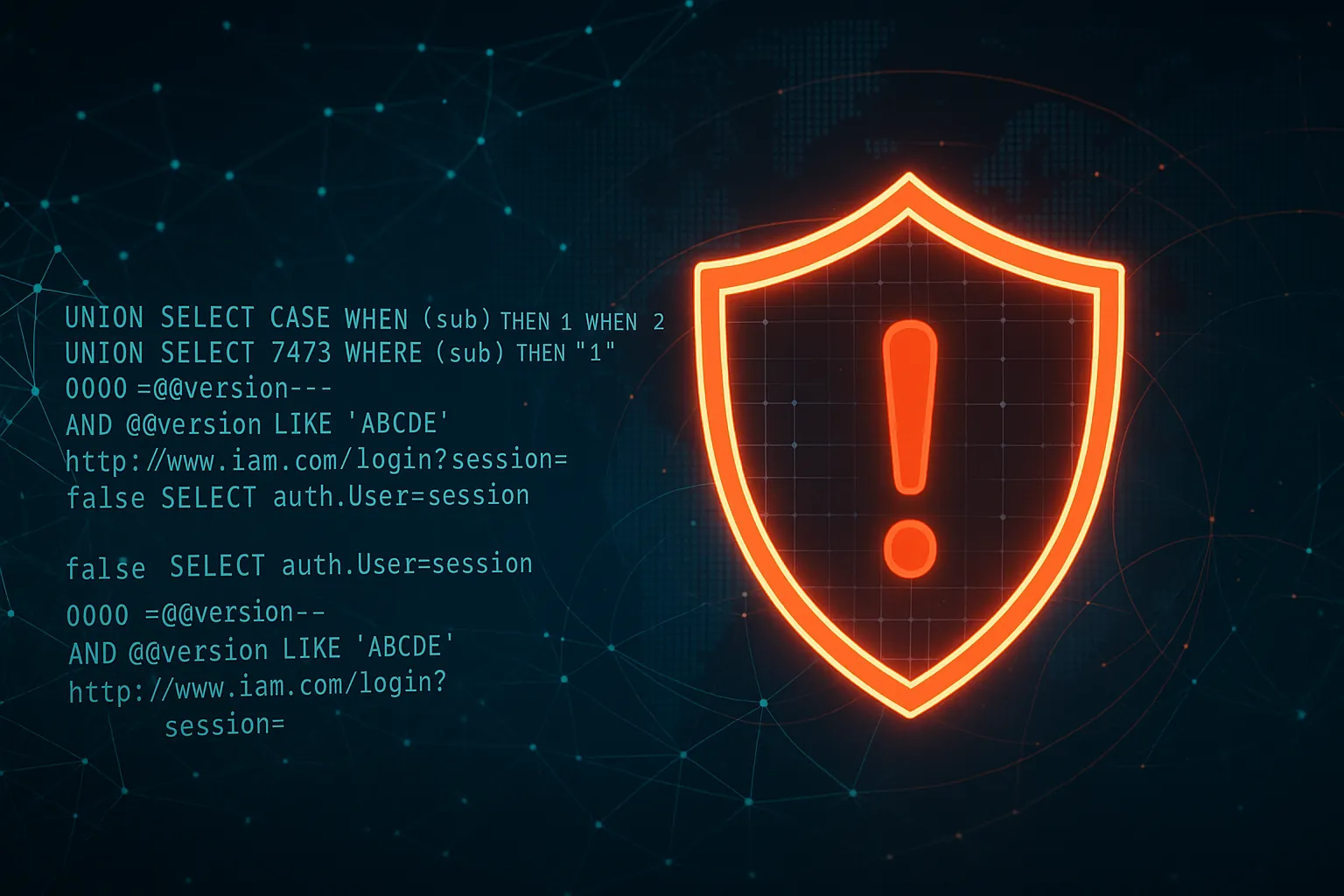
- Critical Fortinet FortiClient EMS Flaw Allows Remote Code Execution — tl;dr: A newly discovered SQL injection vulnerability in Fortinet’s FortiClient EMS enables unauthenticated attackers to execute arbitrary code remotely through crafted HTTP requests. This critical flaw poses significant risks to organizations using the software, potentially leading to unauthorized access and data breaches. Users are advised to apply patches immediately and monitor their systems for any suspicious activity to mitigate potential exploitation.
↪ https://www.securityweek.com/ - European Commission Confirms Data Breach, 350GB Stolen from AWS Infrastructure — tl;dr: The European Commission has confirmed a data breach affecting its AWS-hosted Europa.eu infrastructure, where attackers reportedly stole 350GB of organizational data. The breach was detected on March 24, 2026, and while the Commission stated that its internal systems remain unaffected, it is currently investigating the extent of the data loss. The attackers claim they will leak the stolen information online without seeking ransom. Organizations associated with the Commission are being notified, and additional security measures have been implemented to mitigate risks. Stakeholders should remain vigilant and monitor for any related developments.
↪ https://www.techradar.com/pro/security/european-commission-confirms-platform-data-breach-admits-data-have-been-taken-from-official-websites - European Commission Confirms Data Breach of Cloud Infrastructure — tl;dr: The European Commission has confirmed a data breach affecting its cloud infrastructure, specifically the Europa.eu platform. Discovered on March 24, the breach may involve the theft of sensitive data, including personally identifiable information and internal documents, allegedly by the hacking group ShinyHunters. Although the Commission’s internal systems remain secure, the incident raises concerns about identity risk and potential spear-phishing attacks. Organizations should enhance their cybersecurity measures and remain vigilant against possible secondary threats as investigations continue into the breach’s full impact.
↪ https://www.infosecurity-magazine.com/news/european-commission-cloud-data/ - European Commission Suffers Major Data Breach, 350GB Stolen by ShinyHunters — tl;dr: The European Commission has reported a significant data breach affecting its cloud infrastructure, resulting in the theft of over 350 gigabytes of data, including sensitive materials. The attackers, identified as the ShinyHunters cyber extortion group, exploited a compromised account or security misconfiguration to gain access. Fortunately, the commission’s internal systems remained secure. This incident marks the second major breach this year, following a previous incident in February. Stakeholders are advised to monitor for potential impacts and enhance security measures to prevent unauthorized access.
↪ https://www.news4hackers.com/eu-faces-cyber-attack-and-data-breach - Understanding Zero-Day Vulnerabilities: Risks and Countermeasures — tl;dr: A zero-day vulnerability is a security flaw in software that is unknown to its developers, allowing attackers to exploit it before a fix is available. These vulnerabilities pose significant risks, as they can lead to unauthorized access, data breaches, or system disruptions. Organizations, including banks and government entities, are particularly vulnerable if they do not implement robust security measures. To mitigate risks, it’s crucial to adopt defense-in-depth strategies, ensure regular software updates, and educate users on cybersecurity best practices. Awareness and proactive measures can help reduce the impact of potential zero-day attacks.
↪ https://en.wikipedia.org/wiki/Zero-day_vulnerability
Featured LufSec Resource
Security Awareness (Free) — Bite-sized lessons for your whole company.
Explore →
Connect with LufSec
- YouTube: https://www.youtube.com/@lufsec
- Instagram: https://www.instagram.com/lufsec