TrueConf CVE-2026-3502 Zero-Day Exploited in Southeast Asian Government Attacks
Wednesday, April 1, 2026
Top 5 Cybersecurity Stories You Should Know
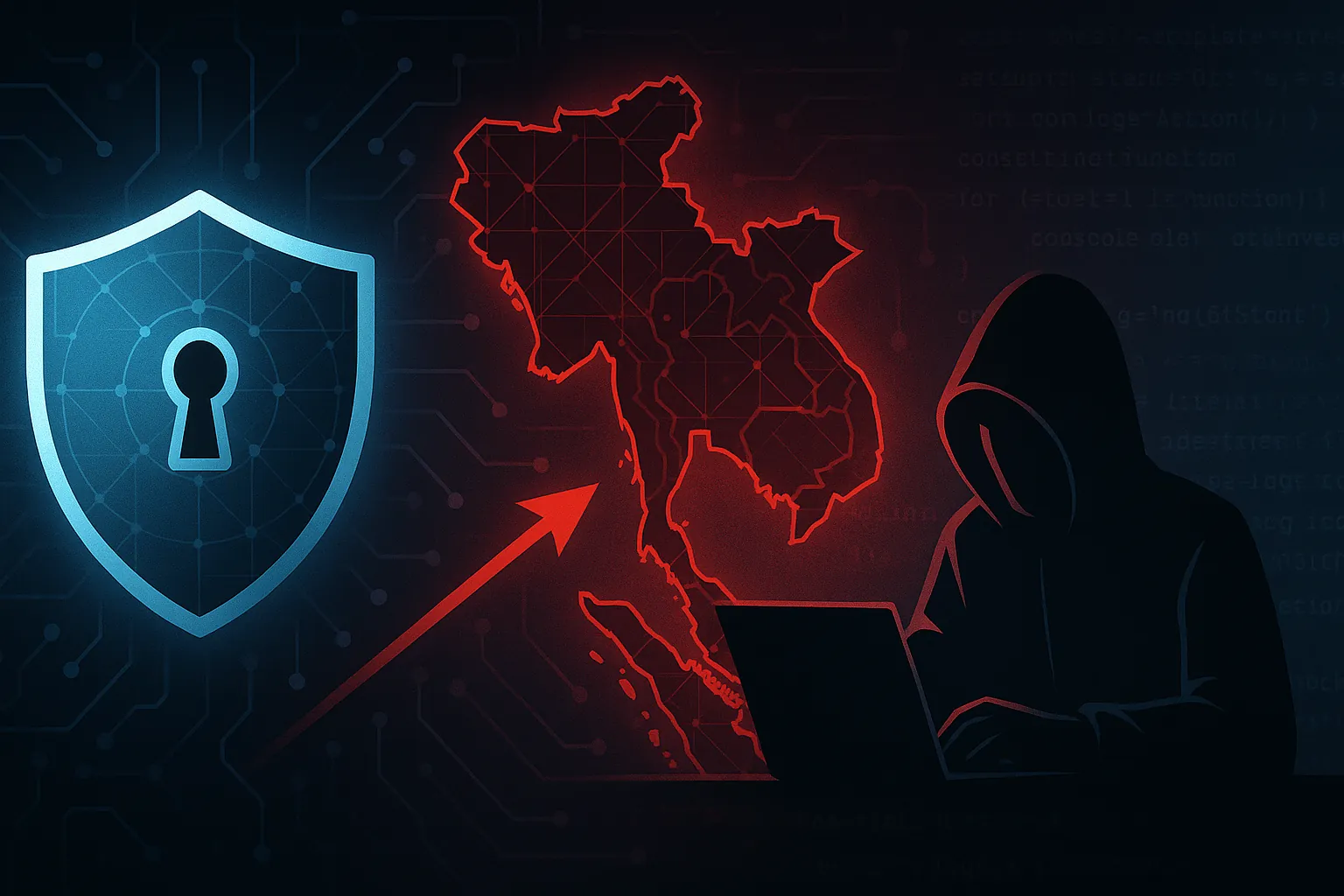
- TrueConf CVE-2026-3502 Zero-Day Exploited in Southeast Asian Government Attacks — tl;dr: A high-severity zero-day vulnerability (CVE-2026-3502) in TrueConf video conferencing software has been exploited in targeted attacks against Southeast Asian government networks. The flaw allows attackers to distribute malicious updates via compromised on-premises TrueConf servers, leading to arbitrary code execution. The campaign, dubbed TrueChaos, is attributed to a Chinese-nexus threat actor and utilizes the Havoc command-and-control framework. Organizations using TrueConf are urged to update to version 8.5.3 or later to mitigate risks associated with this vulnerability.
↪ https://thehackernews.com/2026/03/trueconf-zero-day-exploited-in-attacks.html - Google Patches Fourth Chrome Zero-Day Vulnerability (CVE-2026-5281) — tl;dr: Google has released an emergency update to address the fourth Chrome zero-day vulnerability of 2026, identified as CVE-2026-5281. This flaw, stemming from a use-after-free issue in the Dawn implementation of the WebGPU standard, has been actively exploited in the wild, leading to potential browser crashes and data corruption. Users on Windows, macOS, and Linux are urged to update their Chrome browsers immediately to protect against these threats, as the update may take time to reach all users automatically. This follows three other zero-days patched earlier this year, underscoring ongoing security challenges.
↪ https://www.bleepingcomputer.com/news/security/google-fixes-fourth-chrome-zero-day-exploited-in-attacks-in-2026/ - Stolen Credentials Drive Ransomware and Geopolitical Cyberattacks — tl;dr: The rise of stolen credentials is significantly impacting cybersecurity, fueling ransomware attacks and nation-state cyber operations. With the market for stolen logins thriving, attackers leverage legitimate access to execute sophisticated breaches and extortion strategies. Notably, ransomware groups are adapting by targeting smaller companies for quicker payouts. Organizations must shift their focus from merely preventing credential theft to actively monitoring and blocking misuse of legitimate access. Embracing adaptive identity management tools is crucial for detecting abnormal activities and mitigating risks in this evolving threat landscape.
↪ https://www.securityweek.com/stolen-logins-are-fueling-everything-from-ransomware-to-nation-state-cyberattacks/ - Iranian Hackers Exploit Ransomware Ecosystem to Target US Critical Infrastructure — tl;dr: KELA warns that Iranian state-sponsored hackers are increasingly using ransomware proxies to target US critical infrastructure, blurring the lines between state-sponsored cyber operations and financially motivated crime. By embedding themselves within existing criminal networks, they act as initial access brokers and collaborate with ransomware affiliates, posing significant legal risks for victim organizations. Paying ransoms could inadvertently fund sanctioned Iranian entities. To mitigate these threats, organizations should prioritize patching vulnerabilities, enhance multi-factor authentication, and maintain robust incident response plans while participating in threat intelligence sharing.
↪ https://industrialcyber.co/ransomware/iranian-hackers-target-us-critical-infrastructure-through-ransomware-proxies-kela-warns/ - European Commission Hit by Cyberattack; 3.1M Affected in QualDerm Breach — tl;dr: The European Commission experienced a significant cyberattack, resulting in the theft of 350 GB of data from its cloud infrastructure, just months after a previous breach. In the U.S., Alamo Heights Independent School District faced disruptions due to a suspected cyber incident, while the city of Moorhead reported a third-party data breach linked to vendor Sportsman Software. Additionally, QualDerm Partners notified over 3.1 million individuals about a data exposure involving sensitive personal and medical information. Organizations should enhance cybersecurity measures, including robust vendor management and user awareness training, to mitigate risks from evolving threats.
↪ https://www.kaseya.com/?post_type=post&p=27100
Featured LufSec Resource
Cybersecurity Career Guide (Free eBook) — Actionable playbook to land your first role.
Explore →
Connect with LufSec
- YouTube: https://www.youtube.com/@lufsec
- Instagram: https://www.instagram.com/lufsec