Modern Cars Aren’t Hacked Like Laptops. They’re Broken Through These 4 Attack Surfaces
When most people hear “car hacking,” they imagine a Hollywood scene. A hacker takes over a vehicle remotely, the dashboard flashes, the steering wheel turns on its own, and chaos follows.
It is dramatic, but it is also misleading.
Modern vehicles are not usually hacked like laptops. Attackers do not begin with “How do I own the whole car?” They begin with systems, trust boundaries, exposed interfaces, weak backend logic, and update paths that were built for convenience before they were built for abuse.
In practice, the most meaningful automotive risk tends to cluster around a few repeatable attack surfaces. If you understand those surfaces, you understand where real car hacking begins.
1. Keyless entry and wireless access
A lot of vehicle compromise starts before anyone touches the CAN bus.
Keyless entry systems, passive entry, relay abuse, RF replay, and other wireless pathways are attractive because they sit right at the edge of trust. They are designed to recognize authorized presence, but convenience often creates assumptions attackers can abuse.
That is why keyless systems keep showing up in automotive security discussions. Even when a system is not fully broken in the cryptographic sense, implementation mistakes, weak anti-relay protections, or ecosystem flaws can create a practical opening.
The lesson is simple. If a vehicle trusts a wireless signal to unlock, authenticate, or wake a system, that signal path deserves the same scrutiny as any other security boundary.
What matters here: - How proximity is validated - Whether replay or relay resistance is real or only assumed - How mobile key ecosystems are protected - What fallback behaviors happen when the normal authentication flow fails
2. Telematics and connected services
Many people still think about car hacking as a purely in-vehicle problem. That is outdated.
Modern vehicles are tied to mobile apps, cloud APIs, fleet dashboards, remote diagnostics, subscription features, emergency services, and third-party integrations. That means the attack surface often extends far beyond the vehicle itself.
If a telematics platform has weak authorization checks, insecure API endpoints, predictable identifiers, or poor session handling, an attacker may not need to be near the car at all. They may be able to interact with account-level functions, retrieve sensitive data, trigger remote features, or chain backend weaknesses into something more serious.
This is one of the biggest mindset shifts in automotive security. The car is no longer just a machine on wheels. It is part of a distributed system that includes mobile, cloud, support tooling, and vendor operations.
That changes how researchers should think. You are not only testing ECUs. You are testing identity, authorization, backend design, API hygiene, and the assumptions made between the vehicle and the services around it.
What matters here: - API authentication and authorization - Mobile app token handling - Account recovery and ownership transfer logic - Remote command protections - Vendor and third-party integration exposure
3. CAN bus and internal trust
The CAN bus remains one of the most important concepts in car hacking, not because it is magic, but because it reflects how much trust exists inside vehicle systems.
Once an attacker gains the right level of access to an internal network, the problem changes. The challenge is no longer “Can I reach the car?” It becomes “What can I say once I am inside?”
That is what makes CAN so important. Many internal vehicle systems were built around availability, efficiency, and coordination, not hostile internal actors. If a message is accepted as valid, downstream systems may act on it. That can create room for message injection, spoofing, replay, and other forms of manipulation.
This does not mean every vehicle is trivially exploitable. It means internal trust relationships matter, and once an attacker crosses an interface boundary, those trust assumptions become the real story.
This is also why beginners who jump straight to “How do I send CAN frames?” often miss the bigger lesson. CAN bus is not the whole attack. In many cases, it is the stage after another weakness has already opened the door.
What to focus on: - Where internal network access becomes possible - How message validation is handled - Which ECUs trust which signals - Whether segmentation actually limits blast radius - How diagnostic functions can be abused
4. OTA and update paths
Over-the-air updates are one of the most important changes in the automotive ecosystem. They are also one of the most sensitive.
Any system that can change vehicle software remotely becomes part of the core security model. If update signing, delivery, verification, rollback protection, or supply-chain trust is weak, the consequences can be severe.
This is not just about a malicious firmware file. It is about the entire pipeline: - Who can trigger updates - How packages are signed - What trust anchors are used - Whether rollback is prevented - How compromised backend systems could affect deployment
The more software-defined the vehicle becomes, the more critical this layer becomes. Convenience, speed, and operational flexibility are valuable, but they also create pressure to make update systems broad, fast, and deeply trusted. That is exactly why they need hard security discipline.
What this means for practitioners
If you work in vehicle security, product security, or adjacent offensive research, the mistake is treating automotive security like a novelty niche.
It is not. It is a convergence problem.
Wireless systems, mobile apps, cloud APIs, internal networks, diagnostics, firmware, and supply chain all meet here. The strongest automotive security work comes from people who can think across those layers, not just inside one of them.
That is why good car hacking education should not start with fear or hype. It should start with architecture, trust boundaries, and realistic attacker paths.
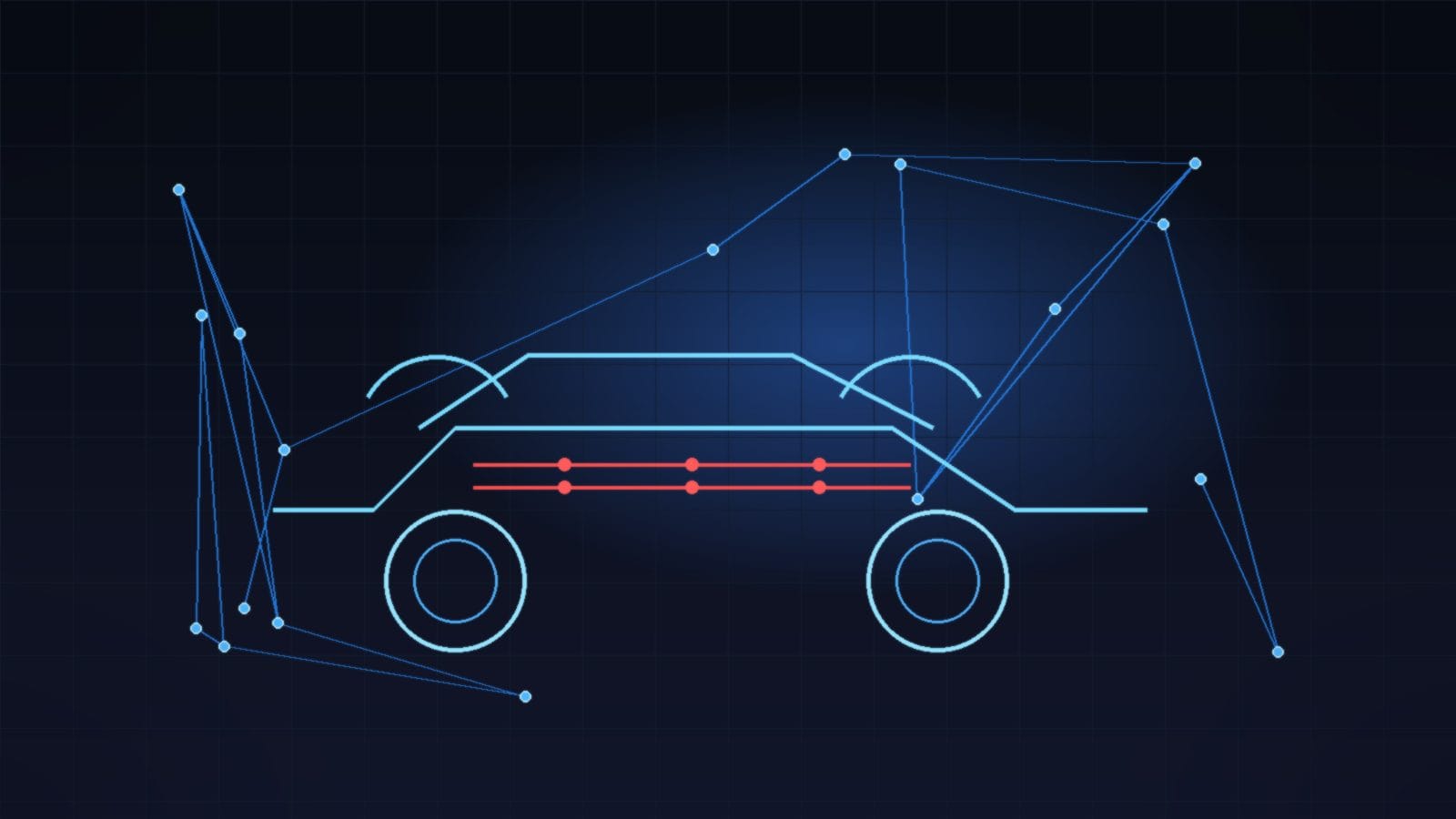
A better mental model is this: - Edge interfaces create entry points - Backend systems extend risk beyond the vehicle - Internal trust determines blast radius - Update paths determine long-term control and resilience
Where beginners should start
If you want to get serious about car hacking, do not start by chasing the most dramatic exploit story you can find.
Start by learning the system.
Understand vehicle networks. Learn how CAN works in practice. Study diagnostics, telematics, wireless interfaces, and firmware and update flows. Get comfortable with how components talk, what they trust, and where those trust assumptions break.
That foundation matters more than memorizing flashy demos.
Bottom line
Cars are not “just computers on wheels,” and they are not hacked in one single way.
They are complex, connected systems with a handful of critical attack surfaces that show up again and again: wireless access, telematics and cloud services, internal network trust, and software update pathways.
If you want to go deeper than the hype and learn the real attack paths behind automotive security, explore the LufSec Car Hacking course.