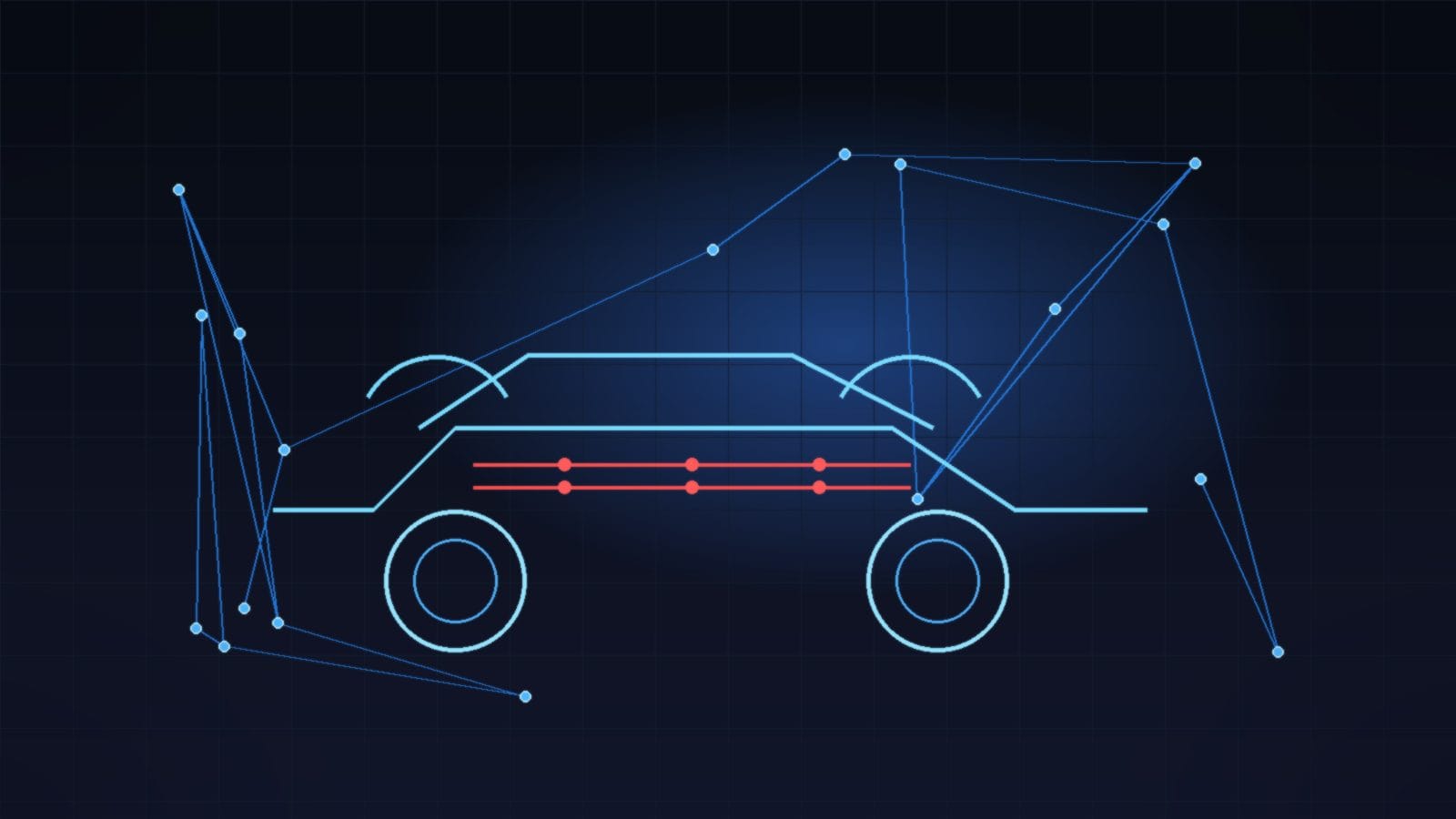
Modern Car Theft Has Changed: 4 Vehicle Attack Paths Drivers and Defenders Keep Missing
Modern Car Theft Has Changed: 4 Vehicle Attack Paths Drivers and Defenders Keep Missing
Most people still imagine car theft in old-school terms.
Break a window. Steal a key. Hotwire the car.
That mental model is outdated.
Modern vehicles are full of electronic trust relationships. Keys talk to receivers. ECUs trust messages on the vehicle network. Smartphone apps talk to cloud services. Telematics systems connect vehicles to back-end infrastructure. Infotainment, diagnostics, wireless features, and charging ecosystems all widen the attack surface.
That does not mean every car can be hacked remotely by a movie-villain laptop.
It does mean the way vehicles get stolen or abused now is increasingly shaped by electronic attack paths, weak trust boundaries, and systems that were designed more for convenience than for adversarial conditions.
This matters for two reasons.
First, public attention is rising again around automotive cyber risk, especially as CAN bus abuse and connected-car exposures become easier for non-specialists to understand.
Second, if you teach, sell, or buy in the vehicle security space, the opportunity is not vague “car hacking is real” commentary. The opportunity is explaining the real attack paths clearly enough that people understand why the problem matters now.
Here are four attack paths worth paying attention to.
1. Keyless relay and keyless entry abuse
This is the attack path most people have at least heard of.
A key fob transmits a signal, the vehicle listens for it, and attackers abuse that trust relationship to make the car believe the legitimate key is nearby.
The reason this topic still works is simple. It is easy to picture, easy to explain, and directly tied to a real convenience feature millions of drivers use every day.
But it is also the mistake many defenders make when they stop thinking there.
Keyless relay gets attention because it is intuitive. It should not be the end of the conversation.
2. CAN bus injection
This is the attack path that deserves more attention right now.
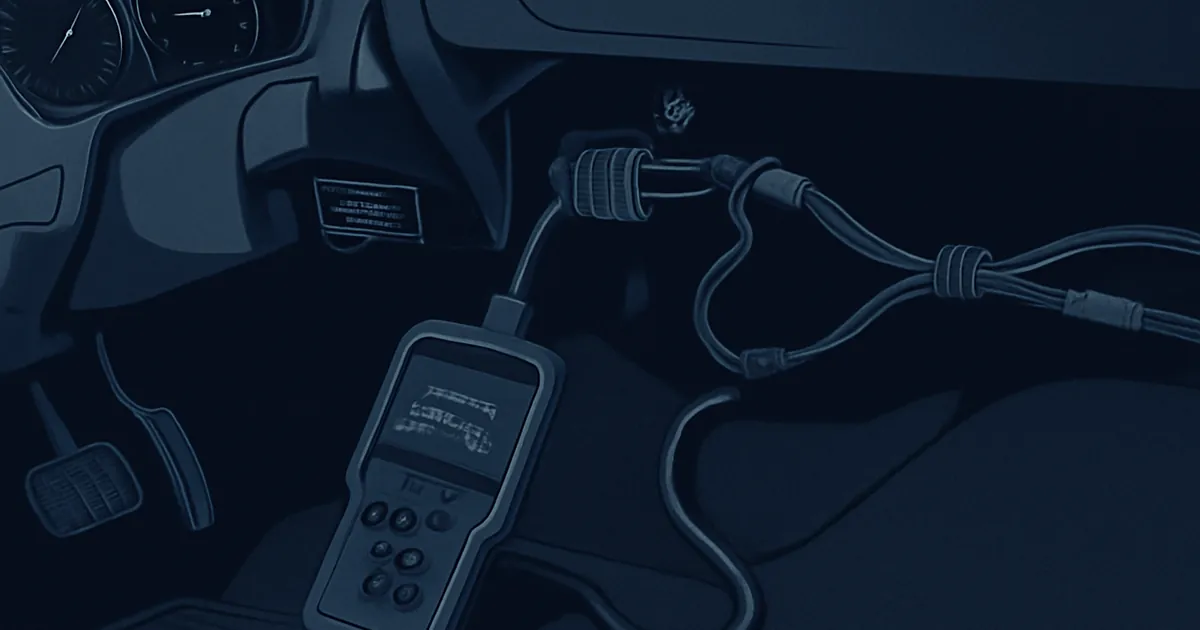
In plain English, CAN bus injection abuses the internal communication system that lets vehicle components talk to each other.
If an attacker can reach the right wiring or message path and inject trusted-looking traffic, they may be able to unlock doors, disable protections, or trigger actions the car normally reserves for legitimate components.
That is why this technique feels so uncomfortable.
It is not “breaking in” the way most people imagine. It is impersonating trust inside the vehicle.
That framing matters for business and security.
It turns the conversation from theft as a purely physical crime into theft as a systems-trust problem, which is exactly the lens serious vehicle security work needs.
3. Connected-car and telematics abuse
Modern cars do not end at the door lock or immobilizer.
They also rely on apps, back-end services, telematics functions, remote diagnostics, over-the-air workflows, and cloud-connected user features.
That creates another class of risk.
Sometimes the easiest path into a vehicle problem is not the in-car network first. It is the surrounding digital ecosystem.
Once a product becomes a connected system, the attack surface expands beyond hardware and into APIs, account recovery flows, mobile app trust, identity controls, vendor integrations, and operational security around the platform itself.
This is one reason automotive cybersecurity keeps looking more like enterprise security plus embedded security plus product security all at once.
4. Research-grade exploitation that changes the threat conversation
Not every exploit becomes a theft-at-scale technique.
That distinction matters.
But research events such as Pwn2Own Automotive still matter because they prove something important. The attack surface is real, complex, and active enough that skilled researchers keep finding meaningful weaknesses across vehicles and related ecosystems.
For defenders, that should change the mindset.
The question is not whether modern vehicles are “hackable” in the abstract. The real question is which trust boundaries are weak, which attack paths are scalable, and which ones are already becoming operationally useful to criminals.
That is the better conversation.
What this means for vehicle defenders and security teams
The useful shift is moving away from the headline version of car hacking and toward the systems version.
Ask better questions:
- Which components trust which messages?
- Which wireless or physical entry points are easiest to abuse?
- Which cloud or app workflows quietly widen the attack surface?
- Which attacks are mostly research theater, and which ones are becoming practical?
- Where are convenience features creating silent security debt?
Those questions produce much better security thinking than repeating that “cars are computers on wheels.”
They also create better content, better products, and better commercial positioning.
Why?
Because the audience does not just want to be impressed that modern vehicles are complex.
They want to understand where the real risk is, why it matters now, and what to learn next if they want to go deeper.
The business lesson behind the topic
The strongest vehicle-security content right now is not generic fear content.
It is specific, current, practical, and tied to a real attack path.
That is why topics like CAN bus abuse, keyless trust failures, and connected-car attack surfaces are so valuable. They sit right at the intersection of public curiosity, technical seriousness, and commercial relevance.
If you want the deeper attacker mindset behind these vehicle attack paths, start with the fundamentals in Car Hacking 101.
If you are following LufSec more broadly, the better move is to stay close to the newsletter as we keep building across vehicle security, AI security, and practical offensive tradecraft.