Most Teams Still Misunderstand How Modern Cars Get Hacked
Most Teams Still Misunderstand How Modern Cars Get Hacked
A lot of people still talk about car hacking like it starts and ends with CAN bus. That is too narrow — and it leads defenders to miss the real attack paths.
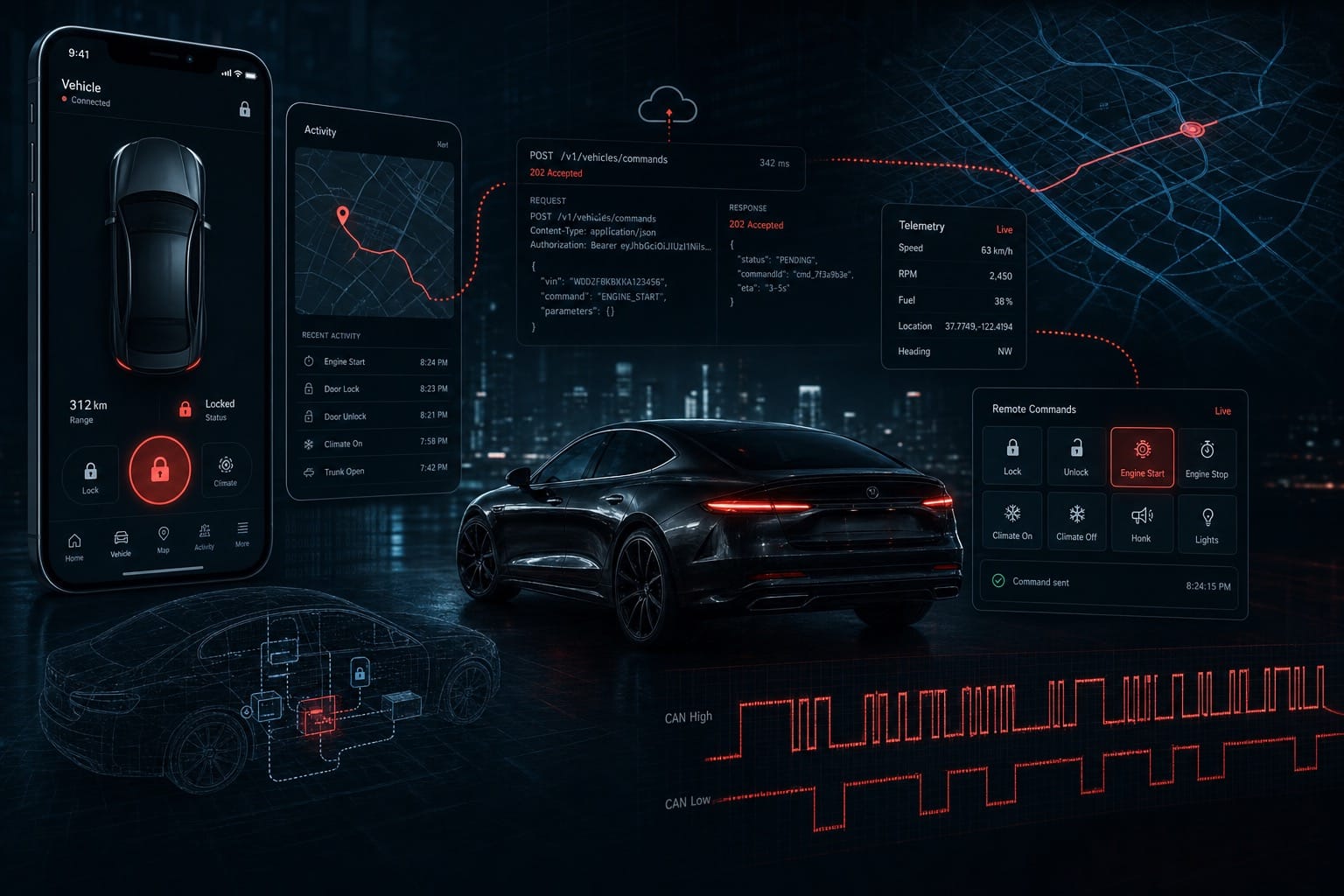
Modern vehicle risk often starts earlier in the trust chain: the mobile app, the backend API, the telematics layer, the account and ownership flow, the token model, or the gateway between remote features and the car itself.
That is why stories like LufSec’s recent breakdown on how one weak vehicle API can unlock a car matter. The lesson is not just that one component failed. The lesson is that modern automotive attacks move across trust boundaries that many teams still treat as clean.
If you build, test, defend, or just want to understand connected vehicles better, you need a broader mental model than “watch the CAN bus.”
What Car Hacking 101 gives you
LufSec’s Car Hacking 101 is built to help you understand how modern vehicle attacks really work across:
- CAN and UDS
- telematics and remote-command paths
- key fobs and RF attack surfaces
- firmware and trust-chain failures
- gateways, APIs, and connected-vehicle architecture
Why this matters now
As NHTSA keeps emphasizing in its guidance on vehicle cybersecurity, software-driven cars create risk far beyond one in-vehicle protocol. If you only think about one bus, you miss the system.
If you want the operator view, start here
If you want a practical foundation in how modern cars really get attacked, start with Car Hacking 101.
If this already sounds like the kind of security blind spot your team has, don’t wait until it becomes an incident.
Start here: